
Nepal's permit system confuses everyone exactly once — then it clicks. You are basically paying two kinds of fees: conservation/park entry (your money maintains the trails, bridges and forests you walk through) and the TIMS card (a safety registry so someone knows you are on the mountain). We verified every figure below against Nepal Tourism Board and Department of Immigration schedules in July 2026, because half the blogs out there still quote 2019 prices. Short version: nothing in the standard stack went up this year. The real 2026 changes are rules, not prices.
Standard permits (what most trekkers pay)
| Permit | Covers | 2026 fee (foreigner) |
|---|---|---|
| ACAP | All Annapurna treks — ABC, Circuit, Poon Hill, Mardi | NPR 3,000 |
| Sagarmatha National Park | Everest / EBC / Gokyo | NPR 3,000 |
| Khumbu local (Pasang Lhamu) | Everest region — replaces TIMS here | NPR 3,000 |
| Langtang National Park | Langtang, Gosaikunda | NPR 3,000 |
| TIMS / e-TIMS card | Annapurna, Langtang, open trails | NPR 2,000 (NPR 1,000 SAARC) |
So a classic trip totals roughly NPR 5,000–6,000 (about $38–45): EBC is the two Khumbu permits, Annapurna is ACAP plus TIMS, Langtang is park plus TIMS. SAARC nationals (India, Bangladesh, Sri Lanka and neighbours) pay roughly half on most of these, and kids under 10 go free. Carry rupees in cash — trail checkpoints do not take cards, and the nearest ATM might be three days downhill.
Restricted areas cost real money
The border valleys — Manaslu, Upper Mustang, Dolpo, Nar Phu, Tsum — sit near Tibet and need a special Restricted Area Permit that only a registered agency can file against your passport. Manaslu runs $100 for the first 7 days in peak season (Sep–Nov), $75 off-season, then $15/$10 per extra day, plus the conservation permits. Upper Mustang is the big 2026 story: the old flat $500 fee is gone, replaced by $50 per day — cheaper for short trips, steeper for long ones. A full Manaslu Circuit lands around $145–190 in permits; budget it before you fall in love with the itinerary.
Three rule changes people still get wrong
First: you must trek with a licensed guide. Since April 2023, independent solo trekking is banned across the major trail networks — the "just me and a backpack" era ended, and checkpoints enforce it. Second, the genuinely new one: since March 2026, a single trekker plus a licensed guide booked through an agency can get restricted-area permits — you no longer need to find a second trekker to pair with. Third: Everest needs no TIMS card. The Khumbu local permit replaced it entirely, so if an agency tries to sell you both, find another agency.
Where you actually get them
Park and conservation permits come from the Nepal Tourism Board office in Kathmandu (Bhrikutimandap), the Pokhara counter for Annapurna, or increasingly online — your agency usually handles all of it the day before you leave. You hand over a passport copy and a couple of photos; they hand back paper that checkpoints stamp up the trail. Restricted permits need a week of lead time because immigration files them in Kathmandu. And none of this is your visa — that is a separate document on arrival. Pair this with our best-time-to-trek guide and our live mountain weather before locking dates.
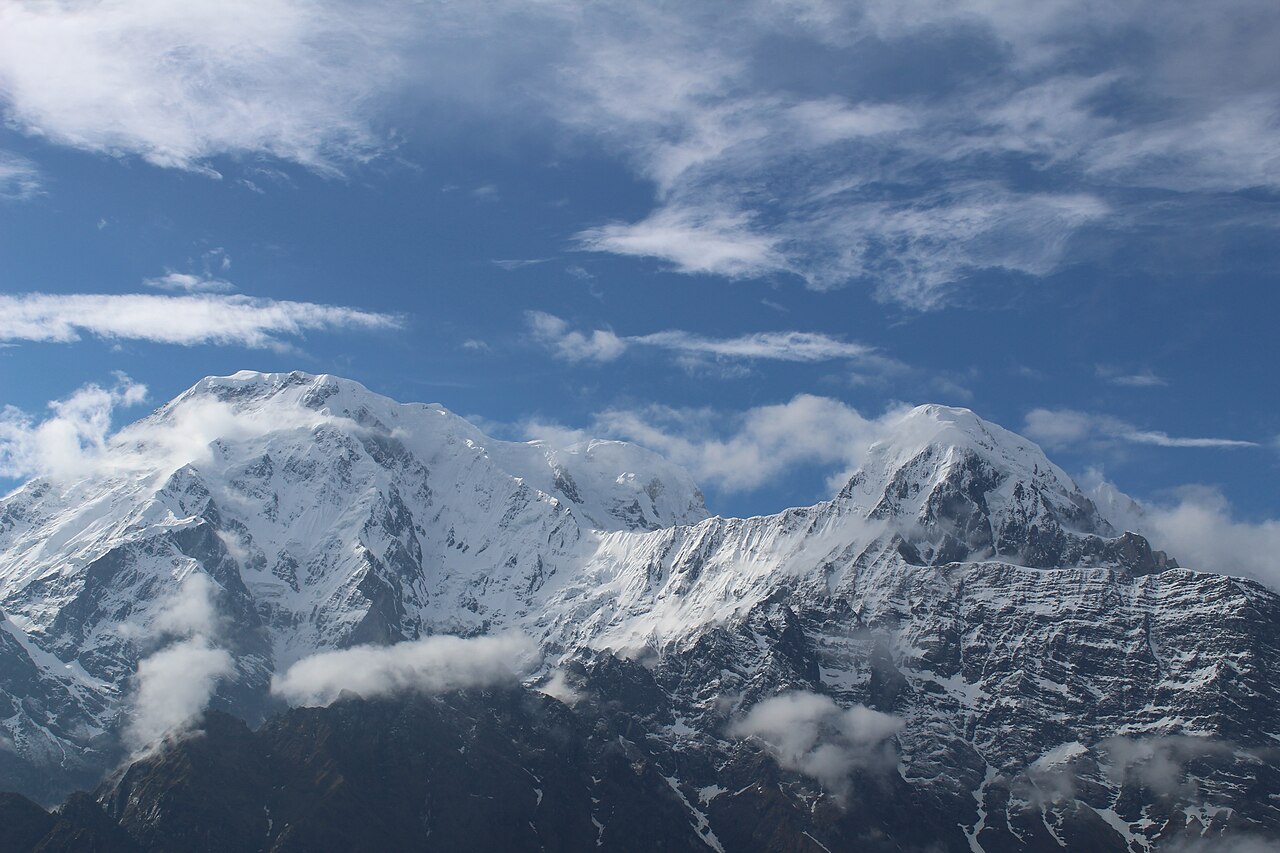
Photo: Avi.zoetic via Wikimedia Commons (CC BY-SA 4.0).