
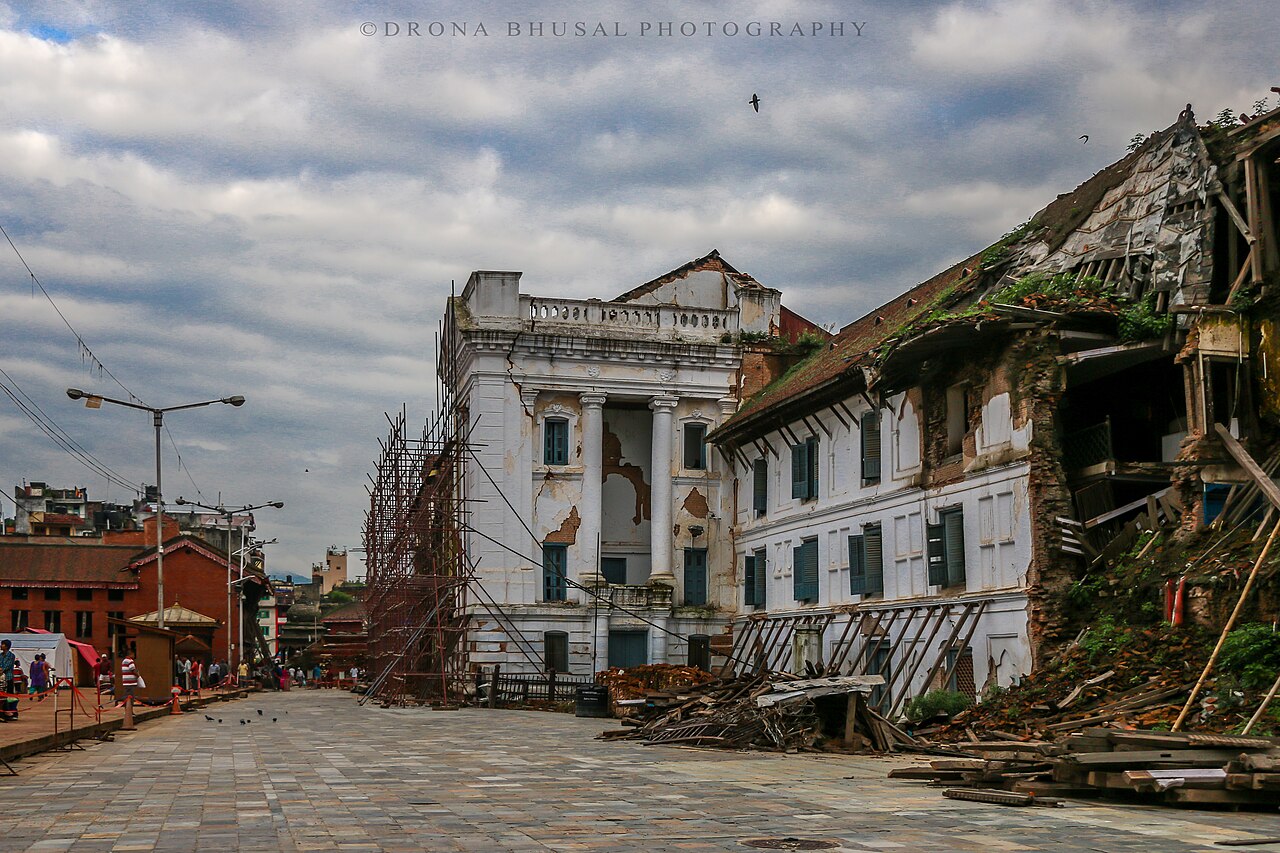
Nepal is beautiful the way a live wire is beautiful — the same young mountains that give us the Himalaya also give us shaking ground, cloudburst-fed rivers and hillsides that slide every monsoon. Nobody here needs a lecture on that; the 2015 earthquake lives in everyone's memory. What people need is the practical stuff: what to actually do when water rises, the road disappears, or the room starts swaying. Warnings run live on our disaster watch — this is the companion guide for acting on them.
Floods: move early, not fast
Monsoon rivers (June–September) can rise metres within an hour — the Terai plains and Kathmandu's own Bagmati corridor flood most years. The rule is simple: never cross flooded water, not on foot, not on a bike, not in a micro. Six inches of moving water knocks you down; two feet floats a car. When the ward office or a DHM gauge alert says move, move valuables and citizenship papers upstairs first, then yourself — most flood injuries happen to people making one last trip back for belongings. After the water drops, treat tap water as suspect for 48 hours and watch for snapped power lines: in cities, electrocution kills more flood survivors than the current does.
Landslides: the road-travel rule
Here is the highest-risk choice ordinary Nepalis and tourists make every monsoon: overnight buses on hill highways during active rain. The Muglin–Narayangadh stretch, the Araniko highway, the mid-hill corridors — they all slide, usually at night, usually onto moving vehicles. If heavy rain is falling, delay the trip by a day; no meeting outranks it. On the road, watch for the warning signs guides know by heart: fresh cracks across the asphalt, leaning electric poles, springs turning muddy above the road. Report them to traffic police — and never stop for selfies below a fresh slip.
Earthquakes: drop, cover, hold
The ground will shake again; the only question is when. Memorize three words: drop, cover, hold. Get under a sturdy table or desk, shield your head and neck, and hold the furniture until shaking fully stops. Doorframes are a myth, running outside mid-shake is how stairwells kill, and elevators are traps. After: kill the gas valve, grab your go-bag, take the stairs, and expect aftershocks for days — the big ones always bring an entourage. Keep repeats of 2015's lesson handy: open grounds (Tundikhel, school fields) are assembly points, not the narrow galli between leaning houses.
Pack a go-bag before you need one
A school backpack by the door with: drinking water and dry food for a day, a torch plus power bank, photocopies of citizenship/passport/land papers in a zip-lock, some cash (ATMs die in blackouts), daily medicines, and a whistle. It costs almost nothing and it is the difference between a bad night and a catastrophe. Refresh the food and batteries every Dashain so you remember.
Trekking when alerts are red?
Above 3,500m the rain eases but Lukla flights cancel for days, leeches own everything below Namche, and swollen side-streams cut trails. If gauges are red, do what the guides do: tea-house down, wait a day, keep 3+ buffer days in the itinerary. The shoulder months — late September, March, late November — give you half the crowds at a fraction of the risk. Check mountain weather the morning you decide, not the week before.
Numbers to save right now
Rescue 1234, Police 100, Ambulance 102, NDRRMA toll-free 1149, DHM flood forecast 1155. Put 1149 in your phone before monsoon, not during it. Alerts behind this guide come from the BIPAD portal, USGS quakes and official notices, tracked live on /disasters.
Photo: DrooNa.Bhusal via Wikimedia Commons (CC BY-SA 4.0).