
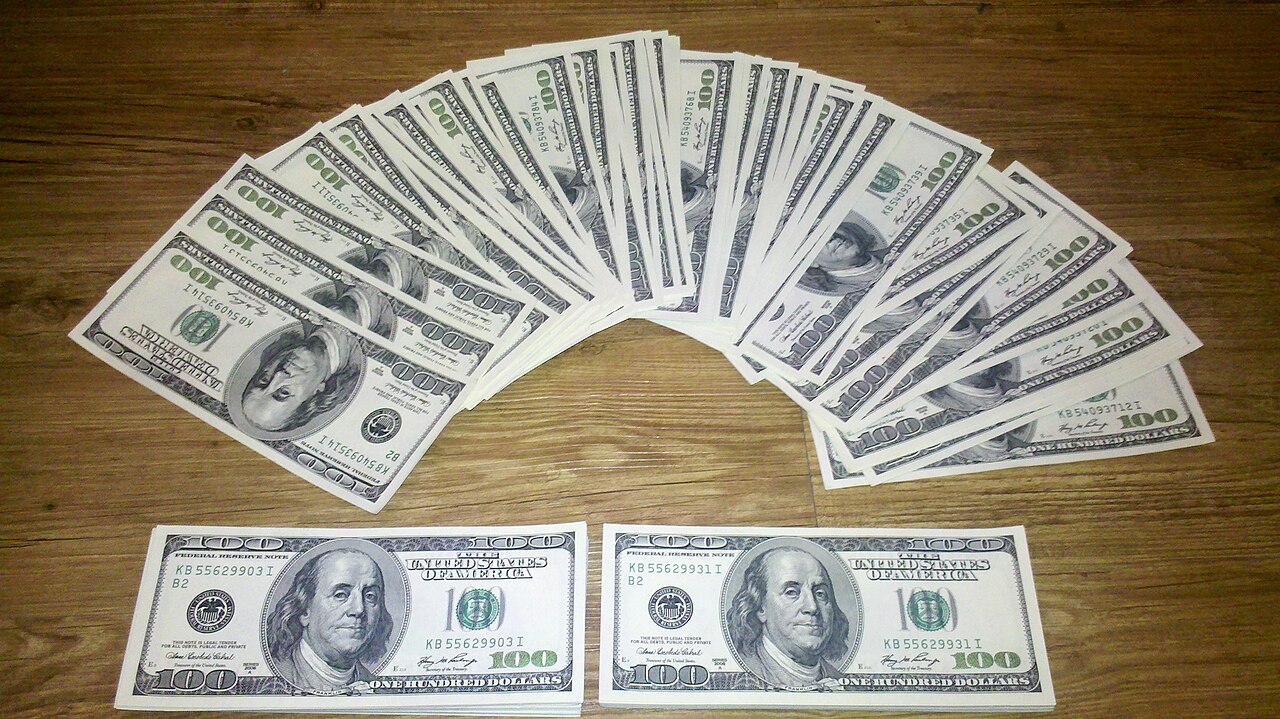
If you have ever stood at a money changer in Thamel wondering whether Rs 140 for a dollar is a good deal or a robbery, this page is for you. The dollar rate in Nepal today is not set by the market on the street — it is fixed every business-day morning by Nepal Rastra Bank (NRB), the central bank at Baluwatar. Every bank and licensed changer in the country works off that one fixing, plus their own small margin. Our exchange-rates board carries the live numbers; below is how to actually read them.
Buying vs selling — which number is yours?
NRB publishes two rates and newcomers mix them up all the time. Think of it from the bank's side of the glass. The buying rate is what the bank pays you when you hand over foreign currency — so this is your number when dollars arrive from abroad, whether that is a salary from Doha, an allowance from Sydney, or dollars your trekking clients paid you. The selling rate is what you pay the bank when you need foreign currency — before a flight, for tuition abroad, for imports. Selling is always a few paisa higher. That gap is just how banks cover costs, and it is smallest for big currencies like the dollar.
A quick example so it sticks: if the buying rate is Rs 140 and your brother sends $100 home, the family walks out with roughly Rs 14,000 minus a small fee. Same day, if you are flying out and need $100, you will pay a touch over Rs 14,000. Same dollar, two prices, depending on which side of the counter you are on.
Watch the unit column or lose money
Most rows on the board are per 1 unit of foreign currency. But a few — the Japanese yen, the Korean won — are quoted per 10 or 100 units, because a single yen is worth less than a rupee. Rs 92 per 10 yen is a normal day; Rs 92 per yen would make you rich. Always multiply by the unit first. This is the single most common mistake first-time readers make, and changers will not always correct you.
Why the rate moves (the short version)
Nepal's rupee is pegged to the Indian rupee at 1.60 — one Indian rupee always equals Rs 1.60 Nepali. That means our currency's fate is tied to India's: when the dollar strengthens against the Indian rupee, it strengthens against ours too, automatically. On top of that come the usual global forces — US interest-rate news, oil prices, moments of panic when investors everywhere run toward the dollar for safety. Day-to-day wiggles of a few paisa are noise. The trend over weeks is what changes the price of cooking oil and motorbikes.
Saturday shows Friday — that is normal
NRB publishes Sunday to Friday mornings, Nepal time. Saturday is a holiday, so there is no fresh fixing and every board in the country — ours included — repeats Friday's numbers. If the rate looks frozen on a Saturday morning, nothing is broken. The new fixing lands within minutes on Sunday morning.
If your family sends money home
Remittance keeps thousands of Nepali households running, so listen up: watch the buying rate of whatever currency your family actually earns in. For most homes that is the Malaysian ringgit, Qatari riyal, Saudi riyal, UAE dirham, or US dollar — all on our board. When that buying rate climbs, the same month's salary quietly becomes more rupees without anyone working an extra hour. Two practical habits beat everything else: send through licensed banks or wallets (the rate is transparent and the money is protected — the informal hundi route has burned countless families), and do not stress over a few paisa of daily movement. Fees and timing matter far more than catching the perfect day.
If you are travelling out
Now the selling rate is your number. Change only what you need to survive day one at the airport — airport counters everywhere in the world run the worst rates. Do the bulk at a bank or licensed changer in the city, and compare two or three places if the amount is big; on a semester's fee the difference is real money. Carry a small mix of cash and cards, and check the board the morning you travel, not a week before. A lot can move in a week.
Where to exchange in Kathmandu
Banks give the cleanest, most transparent rates but keep bank hours and paperwork. Licensed money changers in Thamel, Durbarmarg and around the airport are faster and stay open late, which is why tourists love them — just count your rupees before leaving the counter and keep the receipt. Avoid the friendly stranger offering a "better rate" on the street. There is no better rate on the street; there is only a magic trick you will lose.
Source & updates
Rates: Nepal Rastra Bank daily fixing, tracked live on /exchange-rates with a 30-day trend chart. This guide is evergreen and reviewed monthly.
Photo: Milad Mosapoor via Wikimedia Commons (public domain).