
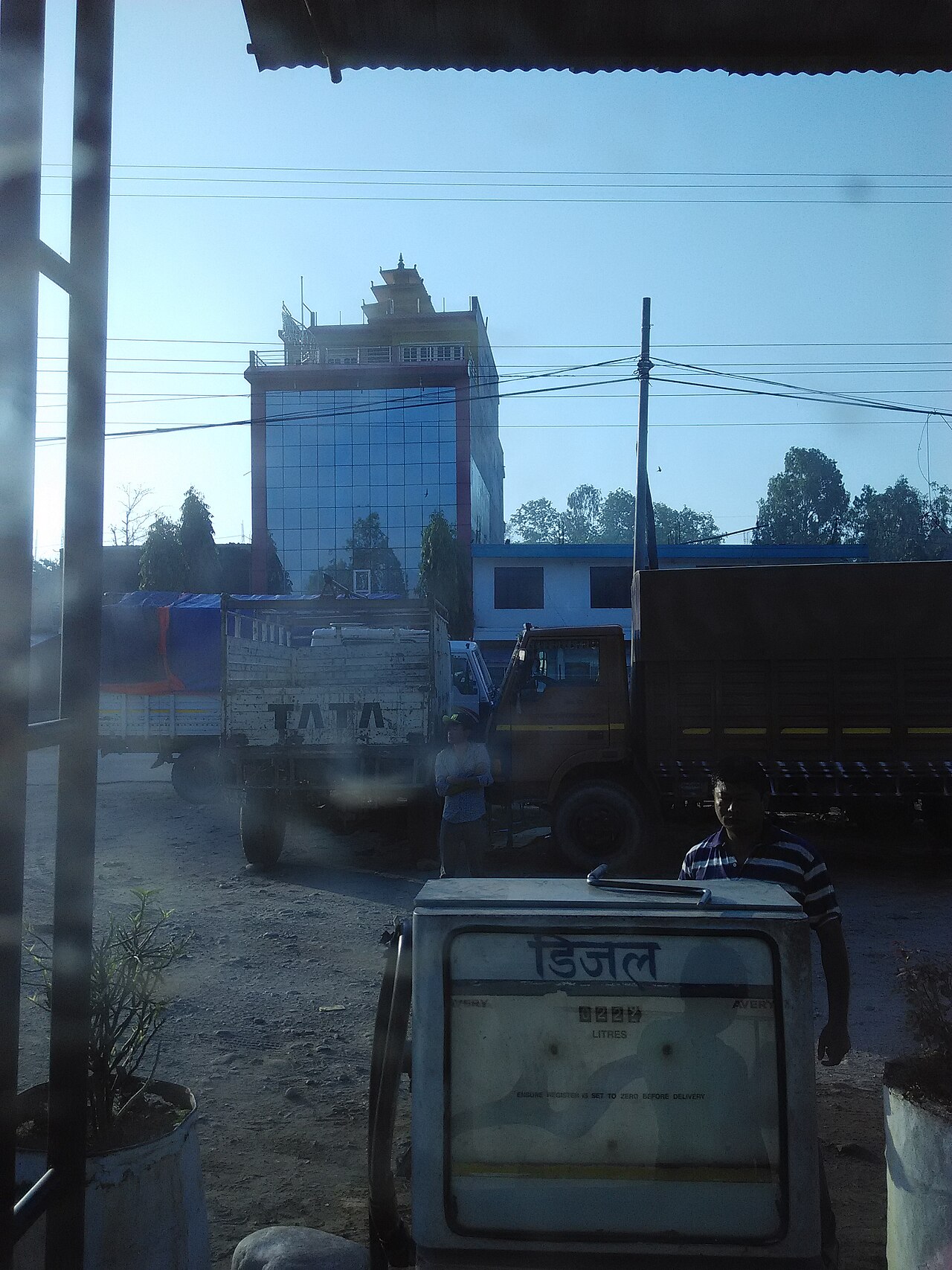
Ask a taxi driver in Lagankhel what the petrol price in Nepal today is and he will tell you without blinking — fuel runs everyone's budget here, from the scooter you ride to office to the truck that brought your rice from the Terai. The catch is that Nepal produces not a single drop of its own petroleum. Every litre arrives by tanker from India, bought by one buyer: Nepal Oil Corporation (NOC), the state monopoly that sets the pump price for the whole country. Latest Kathmandu reference (6 August 2026): petrol Rs 200, diesel Rs 200, kerosene Rs 200 a litre, and an LPG cylinder Rs 2,060. The live board sits on our fuel page — here is the story behind it.
Same fuel, three prices: the region slabs
NOC does not charge one flat price. It splits Nepal into pricing regions because hauling fuel from the Indian border to the hills costs money. Kathmandu, Pokhara and Dipayal sit in the costliest group; the border towns pay least. As of the latest revision:
| Region | Petrol | Diesel | LPG cylinder |
|---|---|---|---|
| Region 1 (Biratnagar, Birgunj, Nepalgunj, Dhangadhi, border depots) | Rs 197.50 | Rs 197.50 | Rs 2,060 |
| Region 2 (Surkhet, Dang) | Rs 199.00 | Rs 199.00 | Rs 2,060 |
| Region 3 (Kathmandu, Pokhara, Dipayal) | Rs 200.00 | Rs 200.00 | Rs 2,060 |
So if your cousin in Biratnagar brags about cheaper petrol, he is right — by about two and a half rupees. LPG, meanwhile, costs the same everywhere: one country, one cylinder price.
Why prices jump instead of creeping
Unlike share prices, Nepali fuel moves in steps with long flat stretches between. Here is why. NOC buys from Indian Oil Corporation, which sends a revised price list roughly every 15 days. When import costs rise — crude oil up, or the rupee down against the dollar — NOC swallows the loss for a while (it bleeds money doing this, and the news covers it every time), then revises pump prices in one jump. When costs fall, cuts walk the same road back. Three things feed every revision: global crude (Brent/WTI), the USD/NPR exchange rate (see our forex board), and taxes — VAT, infrastructure and pollution levies baked into every litre.
Petrol, diesel, gas — which is which
Petrol runs bikes, scooters and most private cars — the fuel most city readers buy. Diesel runs the working half of Nepal: trucks, buses, tractors, generators. It is usually priced near or below petrol on purpose, because taxing diesel hard would tax everything it carries, including your food. LPG in the red cylinder is kitchen fuel for most city homes and runs on its own bulk-gas rhythm, so do not be surprised when gas rises while petrol sits still. And one workshop-saving rule: putting petrol in a diesel engine (or the reverse) is an expensive mistake — check the cap sticker, not the queue you are standing in.
The aviation oddity
Ever seen fuel priced in dollars inside Nepal? Aircraft fuel at Kathmandu airport is: domestic-fuel (DF) is sold in USD per kilolitre (about $1,697 lately) because NOC itself pays for it in dollars, while Jet A-1 turbine fuel is in rupees per litre (about Rs 249). Different units, same NOC notice — now you know why the table looks strange.
Stretching a litre
The cheapest fuel is the fuel you never burn. Under-inflated tyres alone drink 3–5% extra, so check pressure monthly — most pumps give free air. Short city hops on a cold engine are the thirstiest kilometres your bike will ever do, so combine errands. And a steady throttle beats racing between red lights on Kathmandu's stop-start streets. Boring advice, all of it works.
Source & updates
Source: NOC retail price notices. Live Kathmandu-depot rates and history live on /fuel; this page refreshes the day NOC revises.
Photo: Sumita Roy Dutta via Wikimedia Commons (CC BY-SA 4.0).